In an age when options abound, homeowners face a pivotal decision regarding their heating and cooling systems. Traditional HVAC systems have long been the go-to choice for comfort, but the landscape is shifting. New alternatives are emerging that promise efficiency, cost savings, and environmental benefits. This raises a critical question: Are traditional systems still worth it?
The Foundation of Traditional HVAC Systems
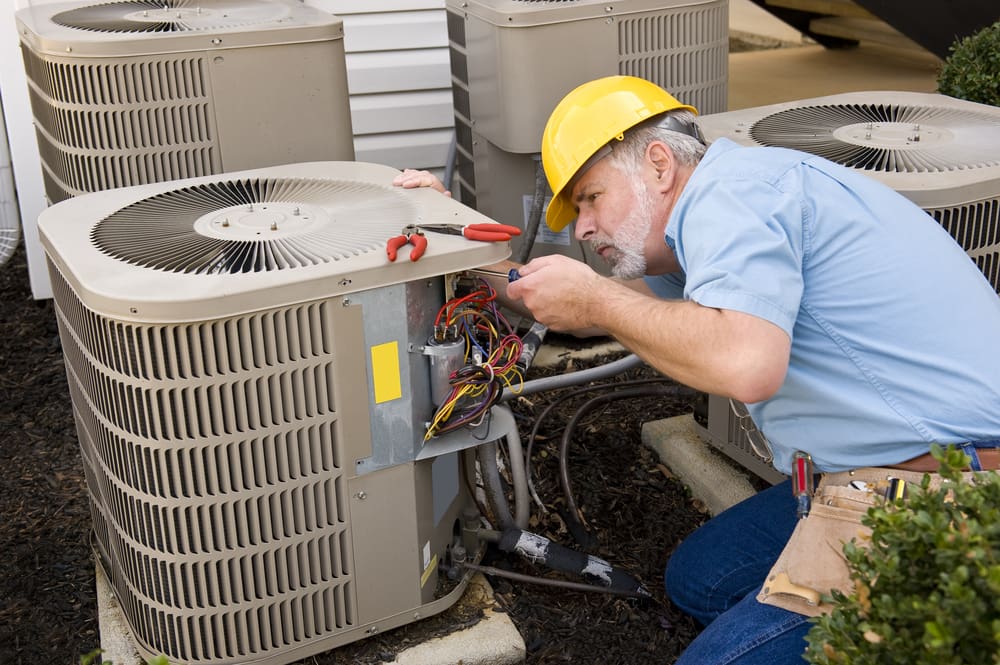
Traditional HVAC systems operate on well-established principles. They typically include a furnace or boiler for heating, an air conditioning unit for cooling, and ductwork that distributes air throughout the home. Many Tucson residents rely on these familiar setups, especially with the unique climate challenges of the region.
The advantages of traditional systems include reliability and familiarity. Most homeowners can easily find qualified technicians to service their units, given the long history of these technologies. Moreover, many people appreciate the straightforward operation and maintenance protocols associated with conventional HVAC systems.
However, this reliance on tradition might overlook potential pitfalls. For instance, older models are often less energy-efficient than modern alternatives. According to the U.S. Department of Energy, heating and google.com cooling account for nearly half of a home's energy use. A traditional system may lead to higher utility bills over time, raising questions about its overall value.
The Emergence of Alternative Solutions
As technology advances, so too do our options for home climate control. Several alternatives to traditional HVAC systems have gained traction in recent years:
Ductless Mini-Split Systems: These systems consist of an indoor unit and an outdoor compressor that connects via refrigerant lines. They offer flexibility in installation and allow homeowners to control temperatures in individual rooms.
Geothermal Heat Pumps: Utilizing the earth's stable temperature just below its surface, geothermal heat pumps provide efficient heating and cooling by transferring heat rather than generating it directly.
Smart Thermostats: While not an alternative system per se, smart thermostats optimize existing setups by learning homeowner habits and adjusting settings automatically to maximize efficiency.
Solar-Powered Systems: Solar panels can significantly reduce energy costs by harnessing renewable energy from the sun to power heating and cooling units.
Radiant Heating: This method involves installing heating elements beneath floors or within walls to warm spaces evenly without relying on forced air systems.
Each alternative comes with unique benefits and potential drawbacks that merit careful consideration.
Weighing Costs versus Benefits
When evaluating whether to stick with traditional HVAC or explore alternatives, one must consider both upfront costs and long-term savings. Initially, traditional systems may appear more affordable due to widespread availability and established market competition among HVAC companies in Tucson AZ.
However, as energy prices fluctuate—often rising—homeowners may find themselves paying significant amounts over time for maintaining older units that lack efficiency. Conversely, while alternatives like geothermal heat pumps or solar solutions involve higher initial investment levels due to installation complexities or equipment costs, they can lead to substantial savings on monthly utility bills.
For example, geothermal heat pumps can reduce energy consumption by 30% to 60% compared to conventional systems. Homeowners willing to invest in these technologies often see a return on their investment over time through reduced energy expenses.
Environmental Considerations
The conversation around HVAC choices increasingly intersects with environmental concerns. Traditional fossil fuel-based systems contribute considerably to greenhouse gas emissions—a major factor driving climate change. As awareness grows about our carbon footprints, many homeowners are seeking greener alternatives that align with sustainable living practices.
Solar-powered heating solutions exemplify this trend well; they allow users not only to lessen reliance on fossil fuels but also potentially achieve net-zero energy usage when combined with high-efficiency appliances or electric vehicles.
Geothermal heat pumps similarly present eco-friendly options as they utilize renewable resources—the earth itself—resulting in minimal emissions throughout their operational lifetimes.
In HVAC company Tucson AZ contrast, sticking solely with traditional methods may inadvertently perpetuate unsustainable practices unless accompanied by rigorous efficiency upgrades or offsets like purchasing renewable energy credits (RECs).
The Role of Smart Technology
Integrating smart technology into home climate control has transformed how we think about comfort management altogether; it blurs lines between traditional setups and innovative alternatives alike! Smart thermostats provide valuable insights into usage patterns while enabling remote control capabilities via smartphone apps—an appealing feature amid busy lifestyles today.
These devices help optimize performance regardless of whether one uses a conventional furnace paired with central air conditioning or opts for ductless mini-splits instead! By adjusting settings based on real-time data analysis—even incorporating weather forecasts—homeowners can prevent overspending during peak demand hours while ensuring comfort remains high year-round!
Additionally, many smart devices seamlessly integrate with other home automation platforms further enhancing overall convenience—from scheduling maintenance reminders based on usage frequency down through tracking performance statistics over time!

Maintenance Needs Across Different Systems
Regardless of which direction one chooses regarding HVAC installation—traditional vs alternative—the importance of ongoing maintenance cannot be overstated! Regular servicing ensures optimal performance while extending lifespan across all types of equipment involved!
For conventional setups involving furnaces/air conditioners serviced regularly reduces unnecessary wear-and-tear leading toward longer-lasting machines overall! Similarly keeping up routine checks (e.g., replacing filters every few months) enhances airflow improving both efficiency & indoor air quality!
On another note though; certain alternative technologies such as geothermal require specialized expertise when it comes down towards repair work making finding reputable technicians crucially important! It’s advisable always seek certified professionals who understand nuances each distinct option entails if considering such investments!
Making An Informed Decision
The choice between sticking with traditional HVAC solutions versus exploring modern alternatives ultimately rests upon individual preferences shaped largely by factors including budgetary constraints sustainability goals personal comfort level desired while weighing pros cons each style offers!
Before making decisions related installations take time thoroughly research available options consult trusted professionals within local markets (like Tailored Mechanical) assess specific needs tailored uniquely towards your household circumstances—which could save significant hassle future down road along ensuring satisfaction achieved upon completion projects undertaken today!
Remember there’s no one-size-fits-all solution here; each homeowner must evaluate their circumstances carefully before committing any course action but being informed allows greater likelihood success achieving desired outcomes long run regardless path chosen!